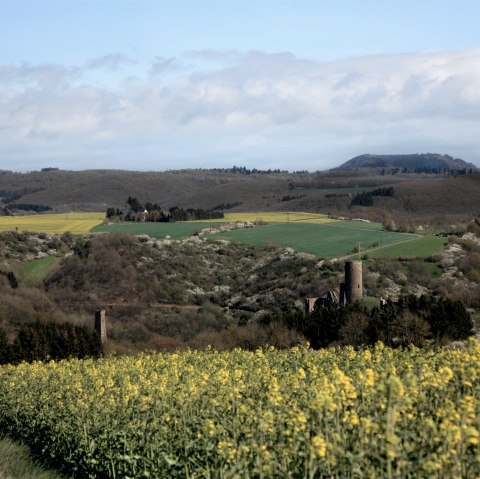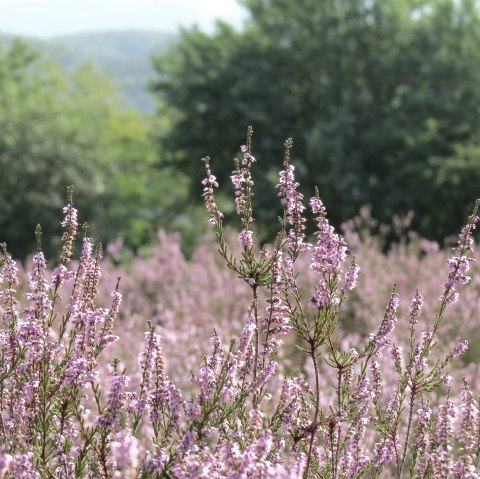

Blick auf das Booser Doppelmaar, © Foto: Laura Rinneburger, Quelle: Touristik-Büro Vordereifel

Booser Doppelmaar - Vulkanparkstation

Boos

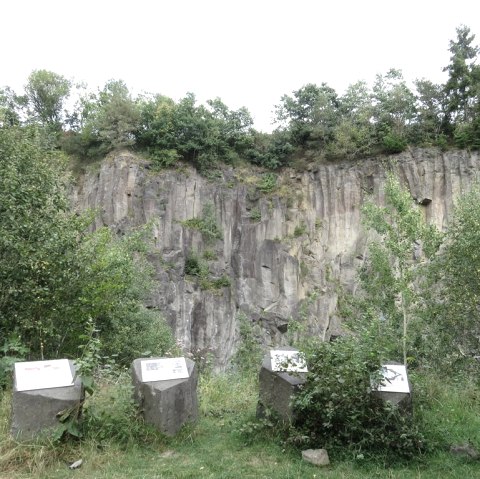
The "Booser Doppelmaar", located west of the municipality of Boos, are two large flat boilers in the countryside, one of which is a dry maar, the other now a pond. They owe their origins to the explosive confluence of rising hot magma and water. In outcrops, the layers deposited during the volcanic eruptions can still be observed today.

Along the "Kratertour", a 4.5 km long circular hiking trail, information boards provide information about volcanism and the local flora and fauna, among other things.

The Traumpfad "Booser Doppelmaartour" leads over a length of about 9 km and through the two Maarkessel. If you have less time or fitness, you can hike during the dreamlike landscape of the volcanic Eastern Eifel with the Traumpfädchen "Eifelturmpfad Boos" on about 4 km.


mehr lesen

Share content:

At a glance

Opening hours

  • From January 1st to December 31st
    Monday
    00:00 - 23:59

    Tuesday
    00:00 - 23:59

    Wednesday
    00:00 - 23:59

    Thursday
    00:00 - 23:59

    Friday
    00:00 - 23:59

    Saturday
    00:00 - 23:59

    Sunday
    00:00 - 23:59

The volcanic park station "Booser Doppelmaar" is accessible year-round, depending on the weather.

Place

Boos

Contact

Parkplatz Vulkanparkstation
Vulkanparkstation Booser Doppelmaar
56727 Boos

Bitte akzeptieren Sie den Einsatz aller Cookies, um den Inhalt dieser Seite sehen zu können.

Alle Cookies Freigeben

Plan your journey

per Google Maps

You might also be interested in

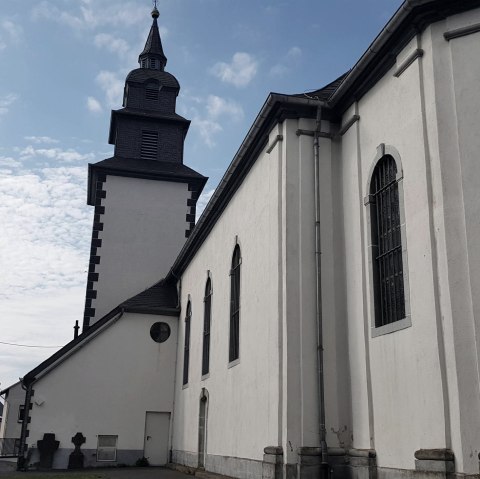
St. Kastor in Weiler, © Foto: Svenja Schulze-Entrup, Quelle: Touristik-Büro Vordereifel

Pfarrkirche "St. Kastor" in Weiler

The baroque church was built in 1727 as a hall building made of plastered quarry stone. After the population in Weiler grew steadily until 1906, plans for a church expansion were drawn up by baumeister Rüppel from Bonn. The church was to be extended with basalt stones by the addition of a transept and a choir room in neo-Gothic style, along with sacristy buildings. In 1909 the "new" church could be solemnly consecrated. Particularly worth seeing is the Marienaltar, which was taken over from the "old" church.